- HOME
- Bathroom Leaks
- Subfloor water
- Plumbing leaks
- Balcony leaks
- Basement Leaks
- Water management specialists
- CONTACT US
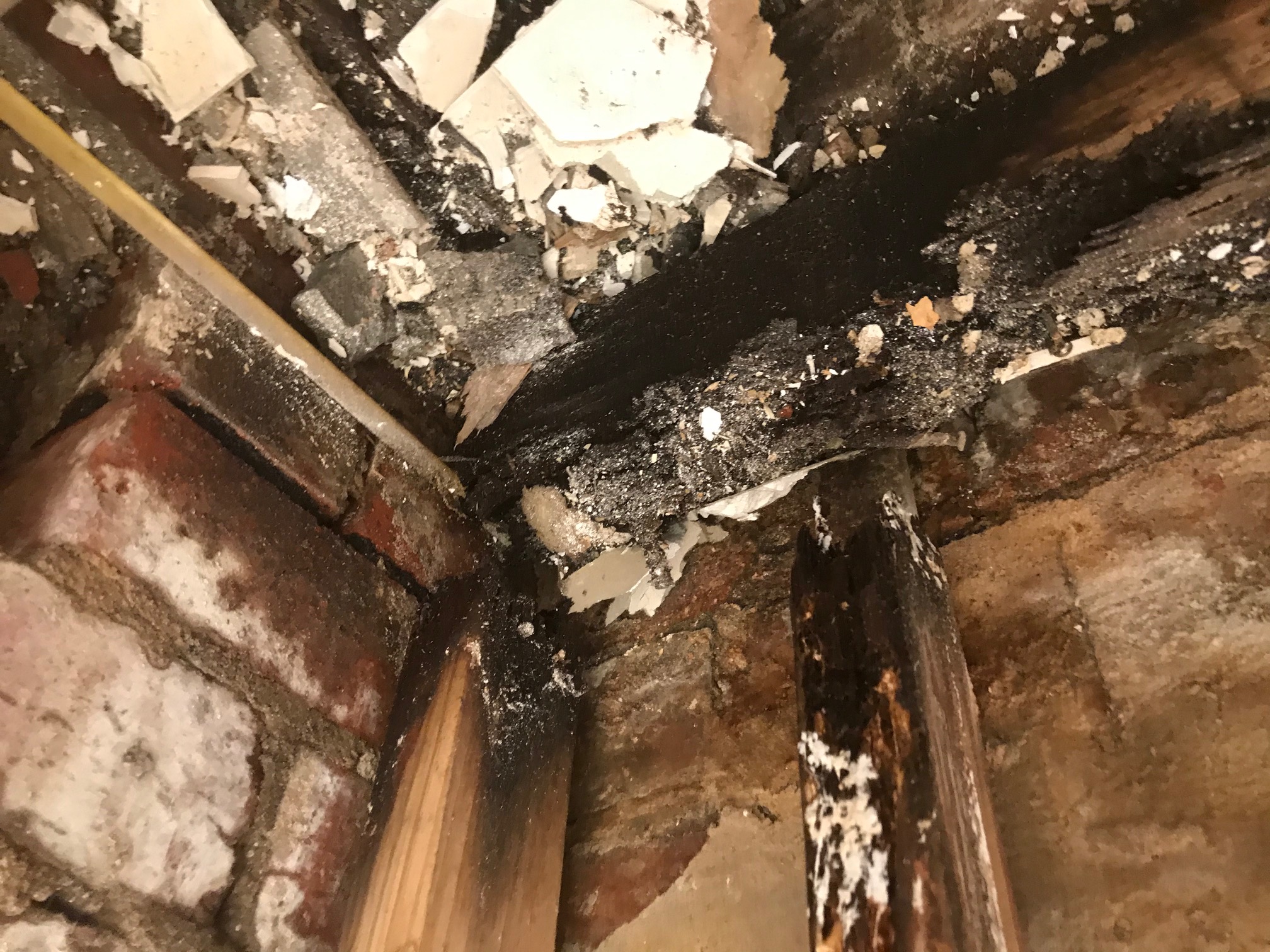
Poor waterproofing destroys flooring under tiles
This bathroom's floor collapsed due to water leaking vertically underneath poorly laid tiles and rotted out the floor. The entire floor had to be replaced including bearers and joists. This is a very common problem in a lot of bathrooms...
Leakco identifies and repairs all bathroom leaks throughout Melbourne
Click to call us HERE
Our company has been identifying and repairing all kinds of bathroom leaks for 15+ years throughout Melbourne. There are different layers to bathroom leaks and it is important to understand them.
Firstly, how should a waterproofing membrane function? If applied correctly, the waterproofed bathroom, combined with the drainage exit points, should cause the bathroom to act like a sink. All joints should be sealed with a flexible bandage and membrane and all the floor and walls associated with the wet areas should be sealed with an approved waterproofing membrane. If applied correctly, even if the grout is breached or the tiles become loose, the membrane should prevent water escaping the room. If the bathroom has water which exits the room, it means that the membrane has failed.
1. Water leaking from a shower recess but not exiting the bathroom - This situation suggests that the membrane is performing its job correctly. If water escapes the wet areas and saturates the tile bed, water should not exit the room (unless overwhelmed in a flood situation) provided there is an adequate waterstop angle at the doorway. Self diagnosis of where the leak is occurring should be straightforward in this instance and will generally be sourced from a poorly sealed shower door or screen or poorly grouted tiles. *The diagnosis of this issue is typically undertaken using the spray method which utilises the existing shower to identify the leak point by spraying water on the sealed joints of the screen and doorway (if any). A flood test in the shower recess is another way to locate the leakpoint(s).Thermal imaging cameras can also be utilised in this instance.
2. Water exiting the bathroom - If water does exit the bathroom anywhere other than over the waterstop angle at the doorway (if any), this is an indication that the waterproofing membrane has failed. This can be diagnosed with the flood test if required but typically this leak is obvious anyway. If the membrane has failed, then the area between the tiles and the membrane will most likely have mould present. We advise against simply reapplying the grout and silicone in the shower recess, rather a full reconstruction is required.
3. Water exiting the bathroom horizontally - Often water can exit the bathroom via the perimeter walls and this can often be due to failed pressurised pipes which are feeding the taps and shower head of the recess. If these fail, water will enter the cavity (if it is a cavity wall - a brick veneer or weatherboard dwelling) behind the shower and exit the bathroom, as there is generally no membrane in the cavity behind the shower. Often this can be repaired from the external side of the wall in question. Diagnosis of this issue can be undertaken by inspection cameras, thermal imaging cameras and/or sonar leak detection equipment whiuch can pick up leaks behind a wall or even embedded in a solid brick wall.
4. Water exiting the bathroom vertically - This is bad news as it means that the floor level membrane has failed and water is flooding the subfloor void (single storey) or the floor below (double/multi storey) and a full reconstruction is required. Diagnosis can be by inspection cameras, thermal imaging cameras and flood test to determine the exact breach point.
For more information on our services to diagnose bathroom leaks, call John on 0409 191 209 or email to :john@leakco.com.au. Or Click to call us HERE.
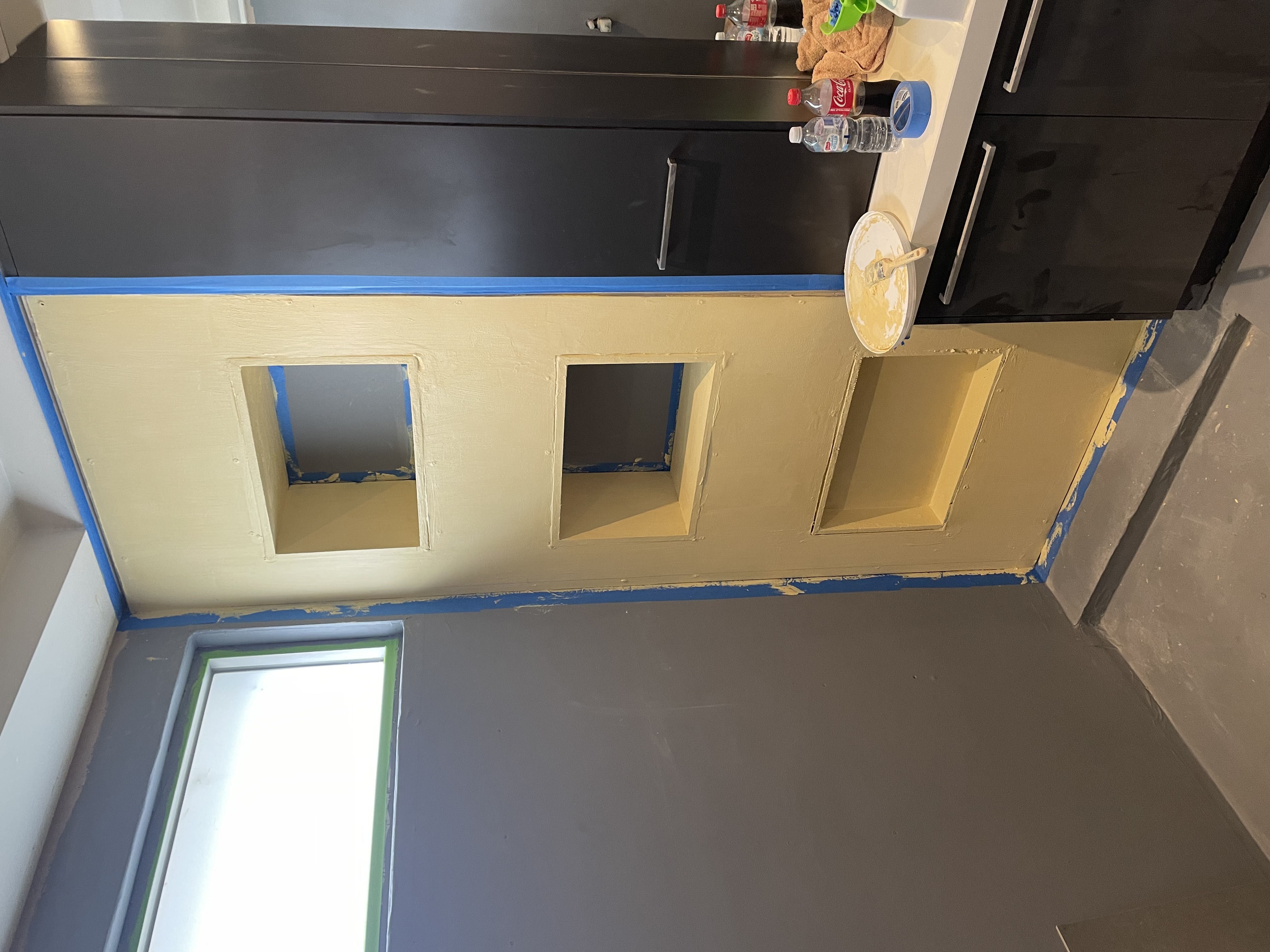
Waterproofing membrane
All surfaces associated with the wet areas should be waterproofed with an approved waterproofing membrane.
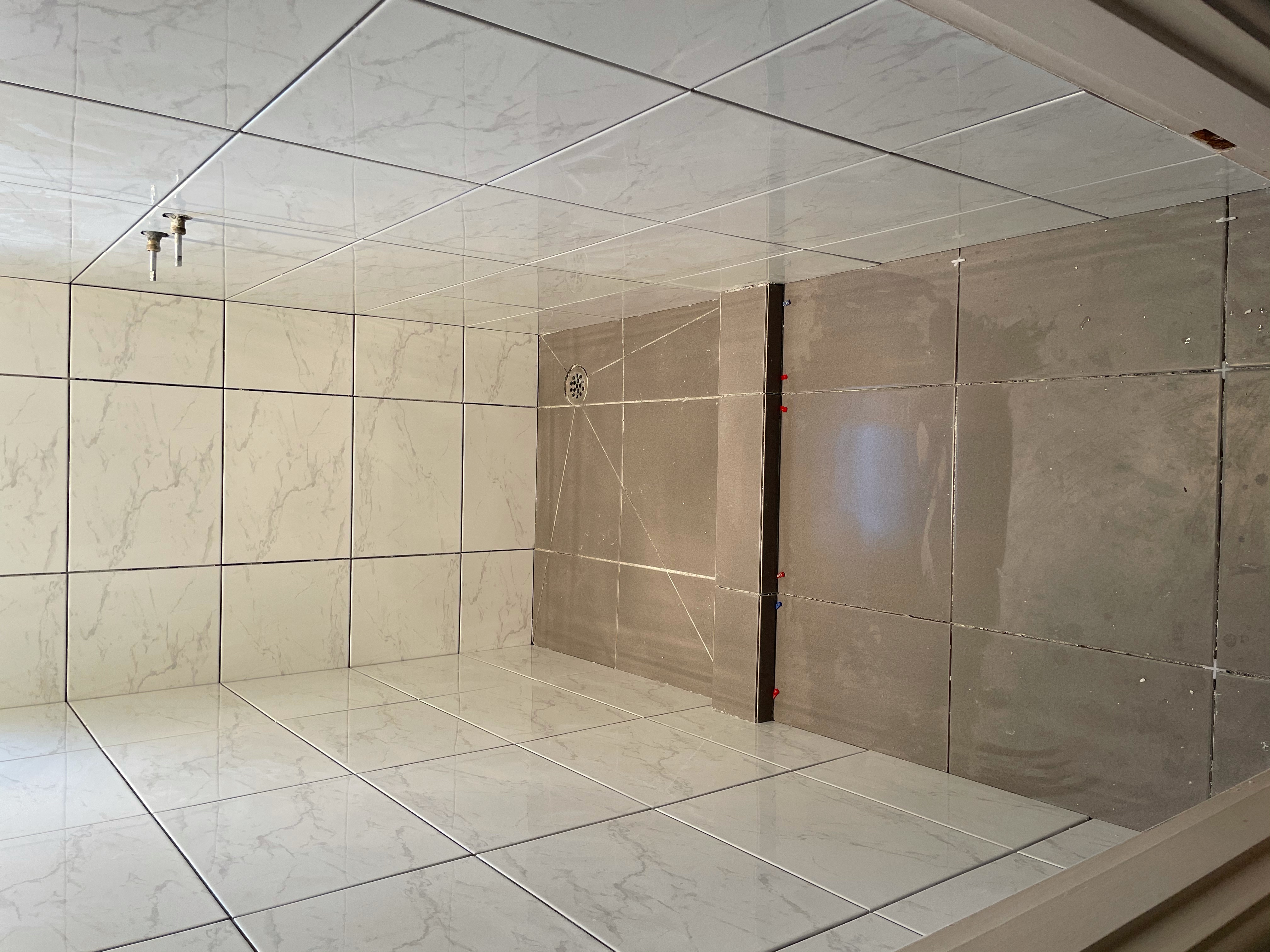
Tiled shower recess walls and floor
In this instance there is a hob which entraps the water to stop any escaping into the external area of the recess.